
Understanding PCOS
Different Types of PCOS: Why Symptoms Can Look So Different
HORMONE BALANCE
1/23/20263 min read
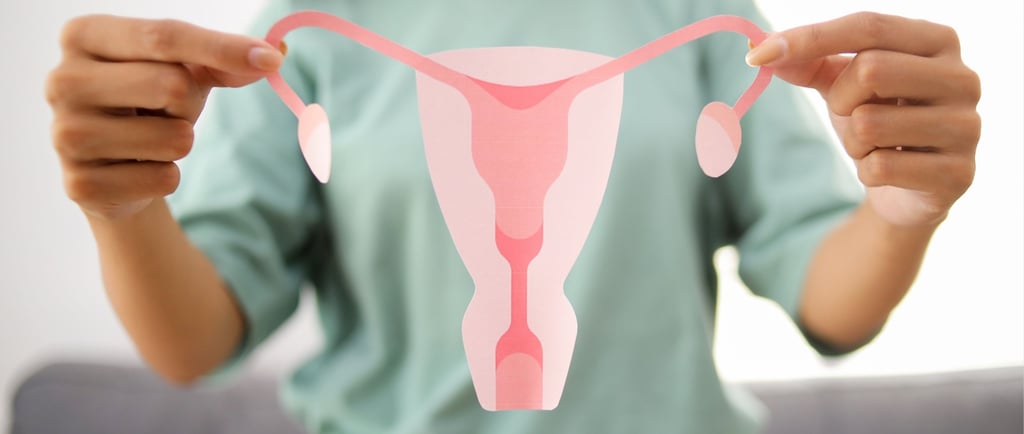
Have you been feeling out of sorts but can’t quite explain why? Maybe your menstrual cycle has become unpredictable, your energy feels inconsistent, or losing weight suddenly feels impossible no matter what you try. For many, these symptoms may be linked to polycystic ovary syndrome (PCOS): a hormonal condition that affects millions of women worldwide.
PCOS can cause symptoms like irregular periods, acne, fertility challenges, and weight changes. But one of the most surprising things about PCOS is that it doesn’t look the same for everyone. Researchers increasingly recognize that PCOS can develop through different biological pathways, which may explain why symptoms vary so much from woman to woman. Understanding these patterns can help women recognize potential warning signs and start informed conversations with their healthcare providers.
Important note: This article is not intended to diagnose PCOS or replace medical advice. If you suspect a hormonal imbalance, speak with a qualified healthcare professional who can run appropriate tests.
What Is PCOS?
Polycystic ovary syndrome is a complex endocrine disorder that affects hormone balance and ovulation.
Women with PCOS often experience:
Irregular or missing periods
Difficulty ovulating
Acne or oily skin
Excess facial or body hair
Weight gain or difficulty losing weight
Fertility challenges
The 4 Commonly Discussed Types of PCOS
Some clinicians and researchers describe PCOS patterns based on the underlying drivers contributing to symptoms. While these patterns can be helpful for understanding symptom clusters, many women may experience a combination of several factors.
1. Insulin-Resistant PCOS
This is widely considered the most common driver of PCOS symptoms. When the body becomes resistant to insulin, it produces more of the hormone to compensate. High insulin levels stimulate the ovaries to produce more androgens, which can disrupt ovulation.
Possible signs:
Women with insulin-related PCOS may experience:
Weight gain or difficulty losing weight
Intense sugar or carbohydrate cravings
Fatigue after meals
Irregular menstrual cycles
Acne and excess hair growth
Insulin resistance is strongly linked with metabolic changes and inflammation in PCOS patients.
2. Inflammatory PCOS
Chronic low-grade inflammation may also contribute to hormonal imbalances in PCOS. Inflammation can interfere with ovulation and hormone signaling, with the potential of increasing androgen production.
Possible signs:
Women with inflammatory patterns may notice:
Persistent fatigue
Skin issues like acne or eczema
Headaches or joint pain
Irregular cycles
Researchers increasingly recognize inflammation as a key factor affecting metabolic and hormonal processes in PCOS.
3. Adrenal PCOS
In some women, androgen hormones may come primarily from the adrenal glands, which sit above the kidneys. These glands produce hormones including DHEA-S, an androgen building block that can contribute to PCOS-like symptoms when elevated.
Possible signs:
Women with adrenal-dominant hormone patterns may experience:
High stress levels
Anxiety or sleep disturbances
Hair thinning or hair loss
Irregular cycles
Elevated DHEA-S on blood tests
Stress hormones may influence adrenal androgen production, potentially contributing to symptoms as well.
4. Post-Pill PCOS
Some women experience PCOS-like symptoms after stopping hormonal birth control. Hormonal contraceptives suppress ovulation while being taken. When they're discontinued, hormone levels may shift while the body re-establishes its natural cycle.
Possible signs:
Acne after stopping birth control
Temporary irregular cycles
Hair shedding
Elevated androgen levels
For many women, these symptoms improve as hormone levels stabilize over time.
Why Identifying PCOS Patterns Matters
Understanding potential drivers of PCOS symptoms can help guide testing and treatment strategies.
Doctors may evaluate:
Hormone levels
Insulin and glucose levels
Ovarian imaging
Thyroid function
Adrenal hormones
Because PCOS affects reproductive, metabolic, and cardiovascular health, early evaluation and management can be important.
When to Speak With Your Doctor
If you notice symptoms such as irregular periods, persistent acne, unexplained weight changes, or difficulty conceiving, it may be worth discussing them with a healthcare provider.
Testing may include:
Hormone panels
Insulin and glucose testing
Ultrasound imaging of the ovaries
Again, this article is not intended to diagnose PCOS. Many conditions can cause similar symptoms, so medical evaluation is essential.
PCOS is a complex condition that affects each woman differently.
If you’ve been experiencing symptoms that don’t quite make sense, understanding the possible patterns behind PCOS may help you start asking the right questions. With proper testing and personalized care, many women are able to better manage symptoms and improve their overall health.
References:
Koleva-Tyutyundzhieva, Daniela, et al. “Metabolic and Inflammatory Adipokine Profiles in PCOS.” International Journal of Molecular Sciences, 2025.
Parker, Jim, et al. “Recognizing the Role of Insulin Resistance in Polycystic Ovary Syndrome.” Journal of Clinical Medicine, 2025.
Szkodziak, Piotr, et al. “Insulin Resistance in Polycystic Ovary Syndrome Phenotypes.” Scientific Reports, 2025.
Valentin Borzan, et al. “Hyperandrogenism and Cardiometabolic Risk in PCOS Phenotypes.” Journal of Clinical Endocrinology & Metabolism, 2023.